
SYRVUL-20260615-AP-002
Syringa vulgaris

Acquisition & provenance
The canonical record of how this specimen entered the collection.
Acquired: Jun 14, 2026
Acquisition label: —
Seller: Unknown
Channel: Not specified
Sources: Style Ave.
Price: —
Linked acquisition: No canonical record yet
Identity
Syringa vulgaris
Confidence: ai determined
Author citation: L.
Status: ARCHIVED
Type: ACQUIRED_PROPAGATION
Location: LOC-TGH-01 · Violet Greenhouse
Propagated: —
Stock: —
View lineage graphAliases
common lilac · common name · confirmed
lilac · common name · probable
Current substrate
Unknown substrate
Substrate history (0)
No substrate history has been recorded.
Specimen photos
Choose one cover photo for this specimen card. Admins can also mark one specimen photo as the type photo for the plant definition.
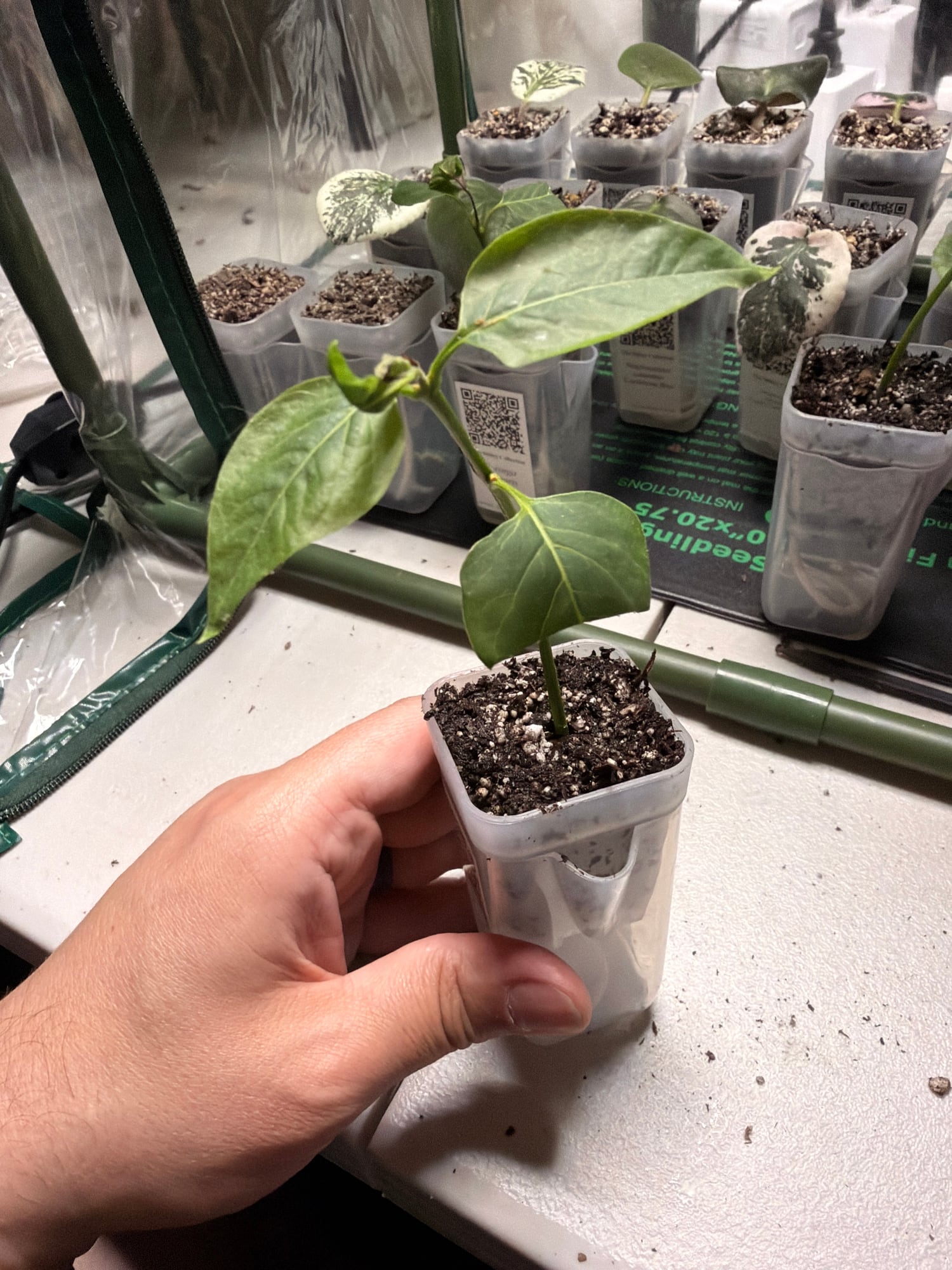
Replanted
Not cover · Not type
Plant Health Timeline
A deterministic record of care, observations, blooms, documentation, and lineage activity for this specimen.
Timeline status
Archived
Health trend
Healthy
Age in collection
62 days
Last observation
49 days
Last watering
49 days
Last photo
60 days
Last bloom
No data
Bloom cycles
0
Propagations produced
0
Unresolved issues
0
Watch items
0
Longest quiet period
3 days
Life Story listOpenHide
June 2026
Quarantine
Quarantine records are manual workflow records; moving a plant does not start or release quarantine by itself.
No active quarantine record.
Care
Last watering, open conditions, and recent care history.
Last watered
Jun 27, 2026
Next estimate
Jul 2, 2026
Open conditions
0
Recent care history
watered · Jun 27, 2026
Recorded via bulk care batch.
watered · Jun 27, 2026
propagation check · Jun 27, 2026
Dead.
propagation check · Jun 24, 2026
Dying
watered · Jun 21, 2026
Recorded via bulk care batch.
propagation check · Jun 21, 2026
watered · Jun 18, 2026
Recorded via bulk care batch.
propagation check · Jun 17, 2026
Husbandry
Inherited from this plant definition.
Plant in full sun, well-drained slightly alkaline soil; prune right after bloom and water deeply during dry spells.
Location compatibility
Not enough information
There is not enough structured data for a reliable comparison.
There is not enough structured temperature data to compare.
Plant: Unknown · Location: Unknown
There is not enough structured nighttime temperature data to compare.
Plant: Unknown · Location: Unknown
There is not enough structured humidity data to compare.
Plant: Unknown · Location: Unknown
There is not enough structured light measurement data to compare.
Plant: Unknown · Location: Unknown
There is not enough structured photoperiod data to compare.
Plant: Unknown · Location: Unknown
Qualitative light data is incomplete.
Plant: Unknown · Location: Unknown
Direct/indirect exposure data is incomplete.
Plant: Unknown · Location: Unknown
No structured airflow requirement is recorded.
Plant: Unknown · Location: Unknown
Environmental stability data is incomplete.
Plant: Unknown · Location: Unknown
Missing comparison data: Temperature, Nighttime temperature, Humidity, Light measurement, Photoperiod, Light intensity, Light exposure, Airflow, Stability.
Full husbandry guideOpenHide
Full husbandry guide
Inherited from plant definition
Quick summary
- Water
- Moderate; keep evenly moist, not soggy
- Light
- Full sun for best bloom
- Toxicity
- Caution: can upset pets if eaten
- Care notes
- Plant in full sun, well-drained slightly alkaline soil; prune right after bloom and water deeply during dry spells.
Watering
- Cadence
- Deeply once weekly in dry weather; less for established plants
- Moisture level
- Evenly moist at the root zone; dry slightly between waterings
- Drought tolerance
- Moderate to good once established
- Wet/dry cycle notes
- Water at the base; avoid frequent shallow watering
- Seasonal adjustments
- Increase during spring establishment and summer heat; reduce in cool, wet periods and in winter dormancy
Light
- Intensity
- Full sun
- Duration
- At least 6 hours direct sun daily; 8+ hours preferred
Temperature and hardiness
- USDA zone
- USDA zones 3–7, sometimes 8 with good siting
- Cold tolerance
- Hardy to severe winter cold when dormant; flower buds may be damaged by late freezes
- Heat tolerance
- Moderate; struggles in prolonged hot, humid summers
- Frost sensitivity
- New growth and buds are sensitive to late spring frost
- Overwinter instructions
- No special protection needed in-ground in suitable zones; mulch roots lightly and avoid winter pruning
Humidity
- Range
- Average outdoor humidity; prefers dry to moderately humid air
- Dry air tolerance
- Good
- Misting notes
- Misting not needed and may encourage disease
Soil and medium
- Preferred medium
- Fertile, loamy, well-drained soil
- pH preference
- Slightly alkaline to neutral, about pH 6.5–7.5
- Drainage needs
- Excellent drainage required
- Growth substrate habit
- Shrub or small tree; strong woody root system
- Substrate recipe notes
- Amend heavy clay with organic matter and ensure drainage; avoid waterlogged sites
Fertilization
- Type
- Balanced slow-release fertilizer or compost
- Strength
- Light to moderate; avoid excess nitrogen
- Frequency
- Once in early spring, or top-dress annually with compost
- Seasonal schedule
- Feed in early spring only; avoid late-summer or fall fertilization
- Micronutrient notes
- If chlorosis occurs, check pH and iron availability in high-alkaline soils
Repotting
- Interval
- Rarely repotted; plant out or shift to a larger container only as needed every 2–4 years
- Pot type
- Large, heavy container with broad drainage holes
- Root sensitivity
- Moderately sensitive to root disturbance; handle minimally
- Dormancy consideration
- Best moved or transplanted in late fall or very early spring while dormant
- Division guidance
- Not usually divided; propagate by cuttings, layering, or suckers instead
Propagation
- Preferred methods
- Softwood or semi-hardwood cuttings, layering, suckers, grafting, seed
- Difficulty
- Moderate
- Expected success
- Cuttings and layering are usually reliable; seed is slower and variable
- Optimal timing
- Late spring to midsummer for cuttings; autumn or early spring for layering and transplanting suckers
- Rooting hormone notes
- Bottom heat and rooting hormone improve cutting success
- Tissue culture notes
- Possible in specialized production, but not typical for home or collection use
Pests and disease
- Common pests
- Aphids, scale, borers, leaf miners, mites
- Common diseases
- Powdery mildew, leaf spot, bacterial blight, verticillium wilt, canker
- Treatment notes
- Prune out dead wood, improve airflow, avoid overhead watering, and treat pests early with cultural controls or targeted sprays if needed
- Susceptibility level
- Moderate; generally hardy but prone to mildew and poor-bloom issues in shade
- Preventative practices
- Full sun, good air circulation, well-drained soil, timely after-bloom pruning, and clean pruning tools
Toxicity
- Pets
- Generally considered mildly toxic if ingested; may cause gastrointestinal upset
- Humans
- Generally low hazard, but ingestion may cause stomach upset
- Sap irritant
- Usually not a major skin irritant; sensitive individuals may react
- Edible?
- Not considered edible; flowers are sometimes used decoratively but ingestion is not advised
Dormancy and blooms
- Dormancy behavior
- Deciduous and winter-dormant; buds set on old wood
- Typical bloom season
- Late spring
- Bloom duration
- About 2–4 weeks, depending on weather and cultivar
- Fragrance
- Strongly fragrant
- Rebloom tendency
- Usually once-blooming; some cultivars may give light rebloom
- Bloom triggers
- Cool winter chilling, full sun, and mature wood; poor bloom with excess shade or nitrogen
- Pollinator notes
- Attracts bees and other pollinators
Growth habit
- Growth habit
- Multi-stemmed deciduous shrub or small tree with opposite leaves and terminal flower panicles
Conservation and collection status
- Rarity
- Common in cultivation
- Conservation status
- Not generally listed as threatened; conservation concern usually low in cultivation
- Reference links
- https://powo.science.kew.org/taxon/urn:lsid:ipni.org:names:584686-1; https://www.gbif.org/species/3182826
- Protected species notes
- Typically not protected; verify local regulations for wild collection
- Collection restrictions
- Check phytosanitary rules for live plant movement and nursery stock import requirements
- Import/export concerns
- May require inspection certificates; comply with soil, pest, and woody-plant regulations
- Invasiveness
- Low to moderate; can naturalize locally in favorable climates, but usually not strongly invasive
- Native range notes
- Native to the Balkan Peninsula; widely naturalized and cultivated elsewhere
Sport / mutation
Status: NONE
No sport observations yet.
Parents
No parent propagation recorded.
Children
No child propagations yet.
Add note
Jun 15, 2026, 9:36 PM EDT
Received unrooted lilac cuttings (~1 month old). Recut below nodes, applied rooting hormone, reduced leaf area, and potted into small propagation containers. Placed in high-humidity greenhouse at ~72°F with bright indirect light. Monitoring for root initiation; stems remain green and viable.
Jun 15, 2026, 9:13 PM EDT
Clipped from Style Ave
Reminders
Send yourself plant check-in emails tied to this specimen.
Sign in to schedule reminders.
No reminders for this plant yet.
Bloom tracker
Open a bloom when it starts, mark peak later, then close it when finished. Photos can be added to the bloom event at any stage.
No bloom events recorded yet.
Archive
died on Jun 29, 2026