
STRION-CAR-20260529-AP-002
Streptocarpus ionanthus 'Caribbean Blue'

Acquisition & provenance
The canonical record of how this specimen entered the collection.
Acquired: May 28, 2026
Acquisition label: —
Seller: Unknown
Channel: Not specified
Sources: Lyndon Lyon
Price: —
Linked acquisition: No canonical record yet
Identity
Streptocarpus ionanthus 'Caribbean Blue'
Confidence: uncertain
Author citation: (H.Wendl.) Christenh.
Status: ACTIVE
Type: ACQUIRED_PROPAGATION
Location: LOC-TGH-01 · Violet Greenhouse
Propagated: —
Stock: —
View lineage graphAliases
African violet · common name · confirmed
Saintpaulia ionantha · obsolete taxonomy · probable
Saintpaulia ionanthus · obsolete taxonomy · probable
Current substrate
Unknown substrate
Substrate history (0)
No substrate history has been recorded.
Specimen photos
Choose one cover photo for this specimen card. Admins can also mark one specimen photo as the type photo for the plant definition.
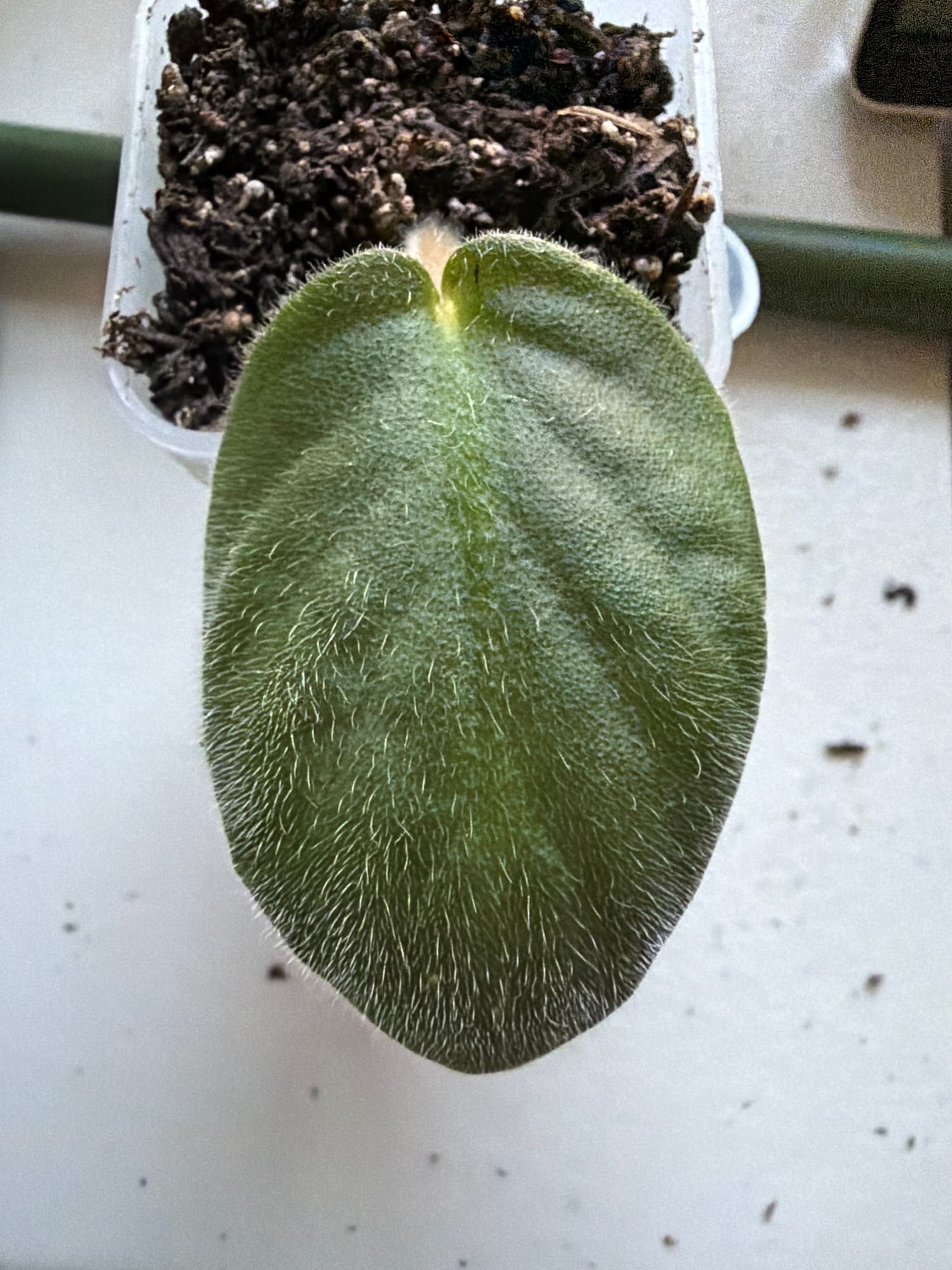
Untitled photo
Not cover · Not type
Plant Health Timeline
A deterministic record of care, observations, blooms, documentation, and lineage activity for this specimen.
Timeline status
Recently active
Health trend
Healthy
Age in collection
77 days
Last observation
5 days
Last watering
5 days
Last photo
77 days
Last bloom
No data
Bloom cycles
0
Propagations produced
0
Unresolved issues
0
Watch items
0
Longest quiet period
7 days
Life Story listOpenHide
May 2026
June 2026
July 2026
August 2026
Quarantine
Quarantine records are manual workflow records; moving a plant does not start or release quarantine by itself.
No active quarantine record.
Care
Last watering, open conditions, and recent care history.
Last watered
Aug 9, 2026
Next estimate
Aug 14, 2026
Open conditions
0
Recent care history
watered · Aug 9, 2026
watered · Aug 1, 2026
propagation check · Aug 1, 2026
watered · Jul 25, 2026
propagation check · Jul 25, 2026
pest check · Jul 18, 2026
watered · Jul 18, 2026
propagation check · Jul 18, 2026
Husbandry
Inherited from Streptocarpus ionanthus 'Black Magic (Lyon's)'.
Warm, humid indoor plant; use airy, fast-draining mix, careful bottom or wick watering, light regular feeding, and remove spent blooms/leaves.
Location compatibility
Not enough information
There is not enough structured data for a reliable comparison.
There is not enough structured temperature data to compare.
Plant: Unknown · Location: Unknown
There is not enough structured nighttime temperature data to compare.
Plant: Unknown · Location: Unknown
There is not enough structured humidity data to compare.
Plant: Unknown · Location: Unknown
There is not enough structured light measurement data to compare.
Plant: Unknown · Location: Unknown
There is not enough structured photoperiod data to compare.
Plant: Unknown · Location: Unknown
Qualitative light data is incomplete.
Plant: Unknown · Location: Unknown
Direct/indirect exposure data is incomplete.
Plant: Unknown · Location: Unknown
No structured airflow requirement is recorded.
Plant: Unknown · Location: Unknown
Environmental stability data is incomplete.
Plant: Unknown · Location: Unknown
Missing comparison data: Temperature, Nighttime temperature, Humidity, Light measurement, Photoperiod, Light intensity, Light exposure, Airflow, Stability.
Full husbandry guideOpenHide
Full husbandry guide
Inherited from Streptocarpus ionanthus 'Black Magic (Lyon's)'
Quick summary
- Water
- Keep evenly moist; never soggy.
- Light
- Bright indirect light; avoid hot sun.
- Toxicity
- Usually low-risk, but keep away from pets/children.
- Care notes
- Warm, humid indoor plant; use airy, fast-draining mix, careful bottom or wick watering, light regular feeding, and remove spent blooms/leaves.
Watering
- Cadence
- Water when the top 1–2 cm of mix just begins to dry; often every 5–10 days indoors.
- Moisture level
- Consistently lightly moist, not wet.
- Drought tolerance
- Low; wilts quickly if allowed to dry hard.
- Wet/dry cycle notes
- Use room-temperature water; avoid wetting the crown and leaf center.
- Seasonal adjustments
- Water less often in cool/dim winter conditions; slightly more in active spring growth.
Light
- Intensity
- Bright, filtered indirect light; east window or shaded south/west.
- Duration
- About 10–14 hours of gentle light daily.
Temperature and hardiness
- USDA zone
- Typically grown indoors; not frost-hardy outdoors.
- Cold tolerance
- Sensitive below about 13 C.
- Heat tolerance
- Moderate; growth slows above about 27 C.
- Frost sensitivity
- Very frost sensitive.
- Overwinter instructions
- Keep indoors at stable warmth, away from cold glass and drafts.
Humidity
- Range
- About 40–60% relative humidity.
- Dry air tolerance
- Low to moderate; dry air reduces bloom quality.
- Misting notes
- Avoid misting the foliage; use a humid tray or room humidifier instead.
Soil and medium
- Preferred medium
- Light, airy African violet mix with added perlite or vermiculite.
- pH preference
- Slightly acidic, about pH 5.5–6.5.
- Drainage needs
- Excellent drainage and high air porosity.
- Growth substrate habit
- Fine fibrous roots with a shallow crown; compact root volume.
- Substrate recipe notes
- Use a peat/coir-based violet mix cut with perlite; keep the crown above the mix.
Fertilization
- Type
- Balanced fertilizer formulated for African violets or houseplants.
- Strength
- Quarter- to half-strength.
- Frequency
- Every 2–4 weeks during active growth.
- Seasonal schedule
- Feed lightly year-round if growing, but reduce in low-light winter.
- Micronutrient notes
- Use a product with micronutrients; avoid excess nitrogen that softens growth.
Repotting
- Interval
- About every 6–12 months, or when the mix breaks down.
- Pot type
- Small shallow plastic pot with good drainage; slightly snug is best.
- Root sensitivity
- Roots are fine and sensitive; repot gently and avoid disturbance.
- Dormancy consideration
- No true dormancy, but avoid major repotting during bloom stress.
- Division guidance
- Separate crowns only if the plant has formed obvious offsets or multiple crowns.
Propagation
- Preferred methods
- Leaf cuttings, crown division, and tissue culture are standard; seed is uncommon for cultivars.
- Difficulty
- Easy to moderate.
- Expected success
- High with healthy leaves and warm, humid conditions.
- Optimal timing
- Spring to early summer.
- Rooting hormone notes
- Optional; not usually necessary for leaf cuttings.
- Tissue culture notes
- Useful for cultivar preservation and uniform clones.
Pests and disease
- Common pests
- Mealybugs, thrips, aphids, fungus gnats, spider mites.
- Common diseases
- Crown rot, botrytis, root rot, powdery mildew, bacterial leaf spot.
- Treatment notes
- Isolate infested plants, remove damaged tissue, improve airflow, and adjust watering; use targeted controls if needed.
- Susceptibility level
- Moderately susceptible, especially to overwatering and crown wetness.
- Preventative practices
- Clean pots, sterile mix, bottom watering, bright air movement, and prompt removal of old leaves and flowers.
Toxicity
- Pets
- No strong evidence of serious toxicity; generally considered low-risk, but prevent ingestion.
- Humans
- Generally low-risk; may cause mild stomach upset if eaten.
- Sap irritant
- Sap is not commonly considered a major irritant.
- Edible?
- Not edible; grown as an ornamental.
Dormancy and blooms
- Dormancy behavior
- No true dormancy; may slow in cool or low-light periods.
- Typical bloom season
- Often intermittent to almost year-round indoors.
- Bloom duration
- Individual flowers last days to weeks; plants can rebloom repeatedly.
- Fragrance
- Usually not fragrant or only faintly scented.
- Rebloom tendency
- High under stable light, warmth, and feeding.
- Bloom triggers
- Bright indirect light, consistent moisture, regular light fertilization, and warm temperatures.
- Pollinator notes
- In cultivation, flowers are usually self-managed; insects may visit outdoors.
Growth habit
- Growth habit
- Compact rosette with showy variegated foliage and purple fantasy blooms.
Conservation and collection status
- Rarity
- Common in cultivation; cultivar-specific stock may be less common.
- Conservation status
- Not generally assessed as a conservation concern in horticulture.
- Reference links
- Check Kew POWO, GBIF, and cultivar registrar records for taxonomic and naming context.
- Protected species notes
- Cultivar names do not imply wild population protection status.
- Collection restrictions
- Follow nursery and phytosanitary rules for live plant movement; no special species restriction known.
- Import/export concerns
- May be subject to standard plant health and soil import rules; ship pest-free and dry enough to avoid rot.
- Invasiveness
- Low; not considered invasive in typical indoor cultivation.
- Native range notes
- The species complex originates from tropical East Africa; the cultivar is horticultural and not wild-collected.
Sport / mutation
Status: NONE
No sport observations yet.
Parents
No parent propagation recorded.
Children
No child propagations yet.
Add note
Reminders
Send yourself plant check-in emails tied to this specimen.
Sign in to schedule reminders.
No reminders for this plant yet.
Bloom tracker
Open a bloom when it starts, mark peak later, then close it when finished. Photos can be added to the bloom event at any stage.
No bloom events recorded yet.